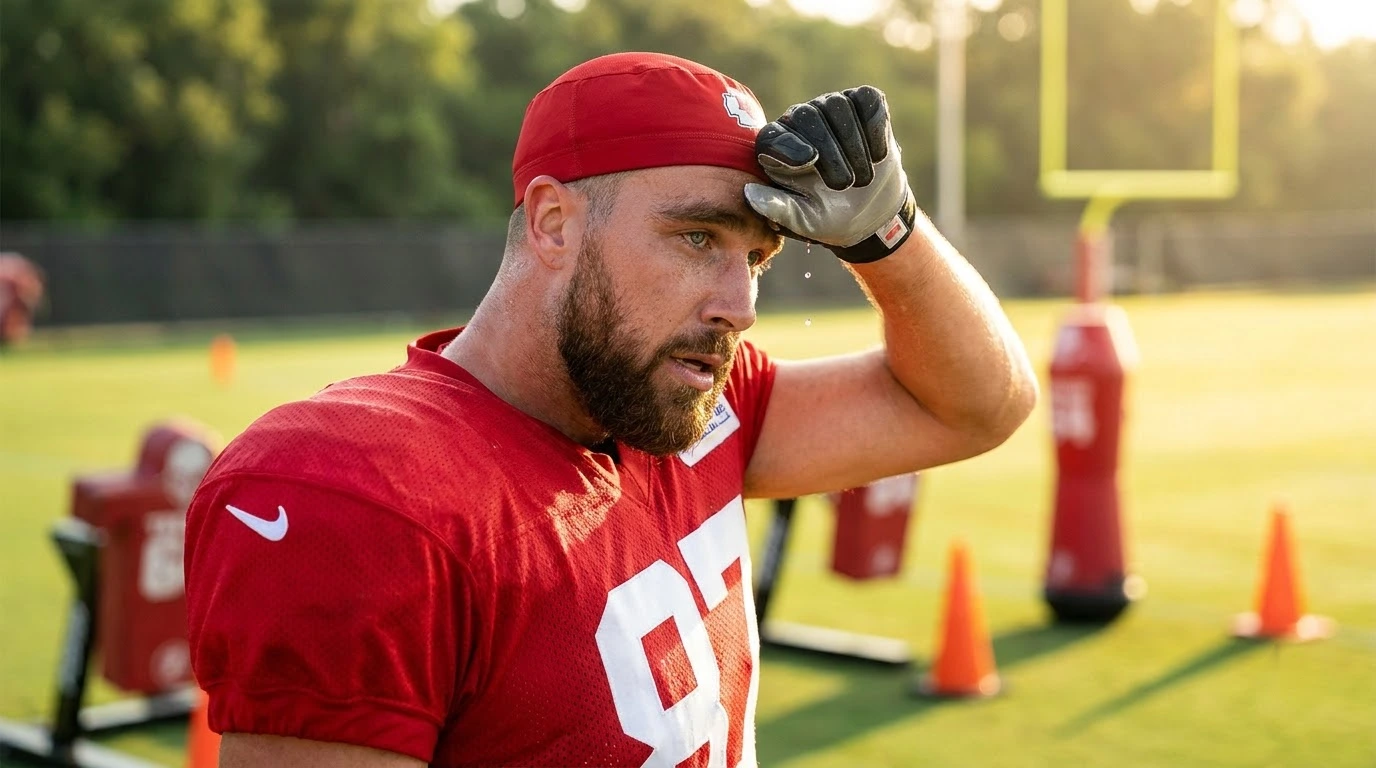
Travis Kelce’s first training-camp comments after marrying Taylor Swift pointed toward a place that had nothing to do with wedding glamour: the Chiefs’ summer routine in St. Joseph, Missouri. In an August 12 Associated Press report carried by NFL.com, Kelce described camp as his “sanctuary” and spoke warmly about the wedding before returning the conversation to football. Looking back from October, the remarks offer a clear picture of the professional reset behind his 2026 season.
The report placed that routine at Missouri Western State University, with travel from Kansas City and time living in dorms. It also described a veteran determined to play better after a disappointing team season. The contrast is the hook: one of the country’s most watched newlyweds finding value in a repetitive, demanding workplace.
Why routine can be the point of training camp
To an outsider, camp can look like an interruption of a comfortable offseason. To a player, its value can come from removing choices. There is a schedule, a practice plan and a group of teammates doing the same work. Attention returns to tasks that can be repeated and improved.
That helps explain the word sanctuary without turning it into a story about escaping a marriage. Kelce’s reported comments connected the setting to football, teammates and the standard they wanted to establish. There is no basis in those remarks for reading the word as criticism of Swift or of their wedding.
The more interesting interpretation is professional. A familiar work environment can offer clarity after an unusually public personal event. The job still asks the same questions: are assignments understood, can timing be sharpened, and is everyone preparing to respond together when the game becomes unpredictable?
A veteran’s preparation looks different from a rookie’s
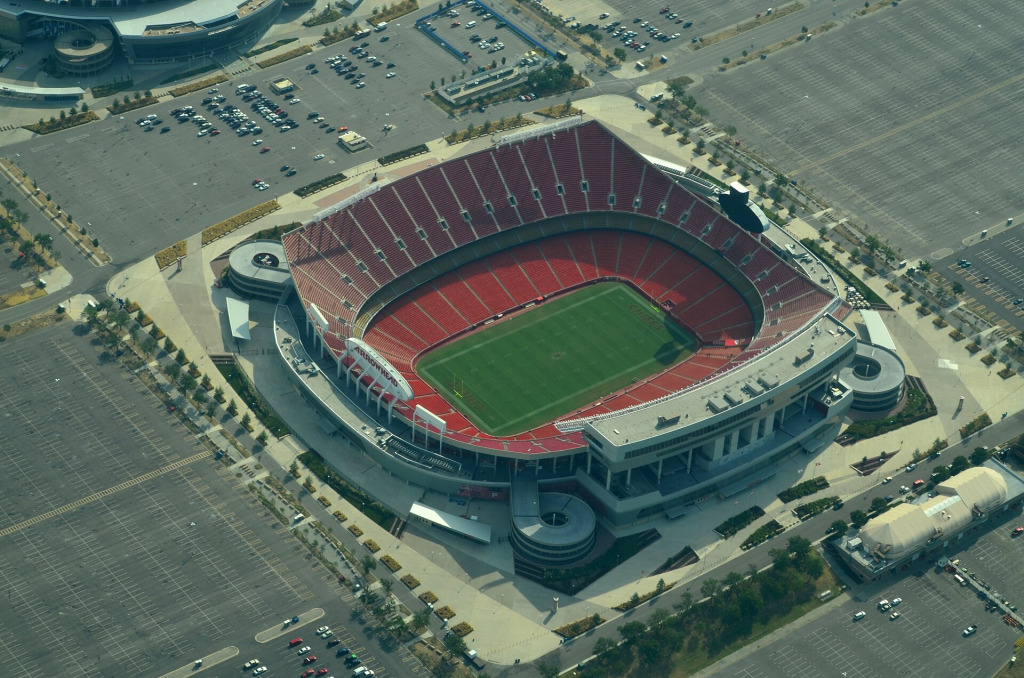
Young players often arrive at camp trying to learn a system and establish that they belong. A veteran has different challenges. Experience can make situations recognizable, but it does not remove the need to rehearse them with a changing roster. Knowing a concept and executing it at game speed remain separate tasks.
For a receiving tight end, timing is especially visible. A route reaches a particular area as the quarterback completes a read. A small adjustment changes the throwing window. Defenders respond to spacing and leverage. Those are general features of the position, and they help explain why repetition remains useful after many seasons.
There is also a collective element. A player can understand his own assignment and still need to learn how a new teammate moves or reacts. Camp provides time to build that shared understanding before a mistake carries the immediate cost of a regular-season possession.
The season has its own story beyond the couple
The Chiefs’ official biography identifies 2026 as Kelce’s 14th season with Kansas City. That long association makes him a familiar face to an audience that followed the team well before Swift began attending games. His professional story is therefore more than background for the relationship coverage.
For newer fans, camp offers a useful entry point. It shows the work that happens before a touchdown, a television close-up or a postgame interview. The public often sees the result first. Understanding preparation makes the result more interesting because it reveals how much coordination sits behind a few seconds of action.

This does not mean practice reports can predict an entire season. Training work and game performance are related, but opponents, health and week-to-week adjustments still matter. Camp is the start of the process, not a guarantee of how the final chapter will look.
A camp schedule also creates a shared reference point. Players can discuss the same practice period, revisit a mistake and try the adjustment again. That feedback loop is different from preparing alone, where an athlete may improve a physical skill without testing how it fits the rest of the group.
The value is not glamorous, which may be precisely why it is revealing. Public attention tends to reward exceptional moments; a team has to build the habits that make those moments possible. A veteran’s enthusiasm for that routine says something specific about his stated professional focus. It points toward the work he wanted to do, rather than toward a lifestyle story someone else might prefer to tell about his offseason.
A public celebration followed by a familiar job
The August account also illustrates how personal and professional milestones can sit next to each other without one explaining everything about the other. Kelce could value his wedding and value returning to camp. Those experiences do not need to compete for significance.
That is a useful way to follow the couple more generally. A partner appearing at a game or on a film set is one part of a public story. The work itself continues to involve teammates, collaborators and obligations that exist independently of the relationship.
As the 2026 season unfolds, the camp remarks remain a revealing starting point. They show what Kelce chose to emphasize before the weekly results accumulated: the familiar setting, the group around him and the desire to raise his level. The wedding supplied a major life milestone. Training camp supplied the next day’s work. For an athlete entering another demanding season, that return to the ordinary routine was meaningful enough to call a sanctuary.
Photo credits: Travis Kelce.JPG — Jeffrey Beall, CC BY 3.0; photographed 2014-09-14. Aerial view of Arrowhead Stadium 08-31-2013.jpg — Ichabod, CC BY-SA 3.0; photographed 2013-08-31. Travis Kelce 2021.jpg — Erik Drost, CC BY 2.0; photographed 2021-06-12. Archival photographs illustrate the people and settings discussed; they do not depict every reported event.


