THE SEAHAWKS DELIVERED A WAKE-UP CALL KANSAS CITY CANNOT IGNORE
For five weeks, the Kansas City Chiefs had managed to keep their perfect record intact. Then came Seattle.
On October 25, the Seahawks delivered a commanding 20–3 victory, handing Kansas City its first loss of the 2026 season and exposing problems that had rarely appeared so clearly during Mahomes’ career.
The final score was only part of the shock. Kansas City finished with 213 total yards, struggled to sustain drives, and never reached the red zone. Mahomes completed 19 of 33 passes for 165 yards, threw an interception, and failed to lead the offense to a touchdown.
For a team accustomed to finding answers in difficult moments, the performance was a sobering reminder that even elite quarterbacks can be neutralized when the opposing defense executes its plan.
Mahomes did not hide from the disappointment afterward.
“We got our tail kicked,” he acknowledged, accepting that Kansas City had failed to execute at the level required to win.
His response mattered because the Chiefs’ next challenge is not simply forgetting the defeat. It is identifying why the offense struggled so badly and making sure the same problems do not return when the stakes become even higher.
TRAVIS KELCE MAKES HISTORY ON A DIFFICULT NIGHT
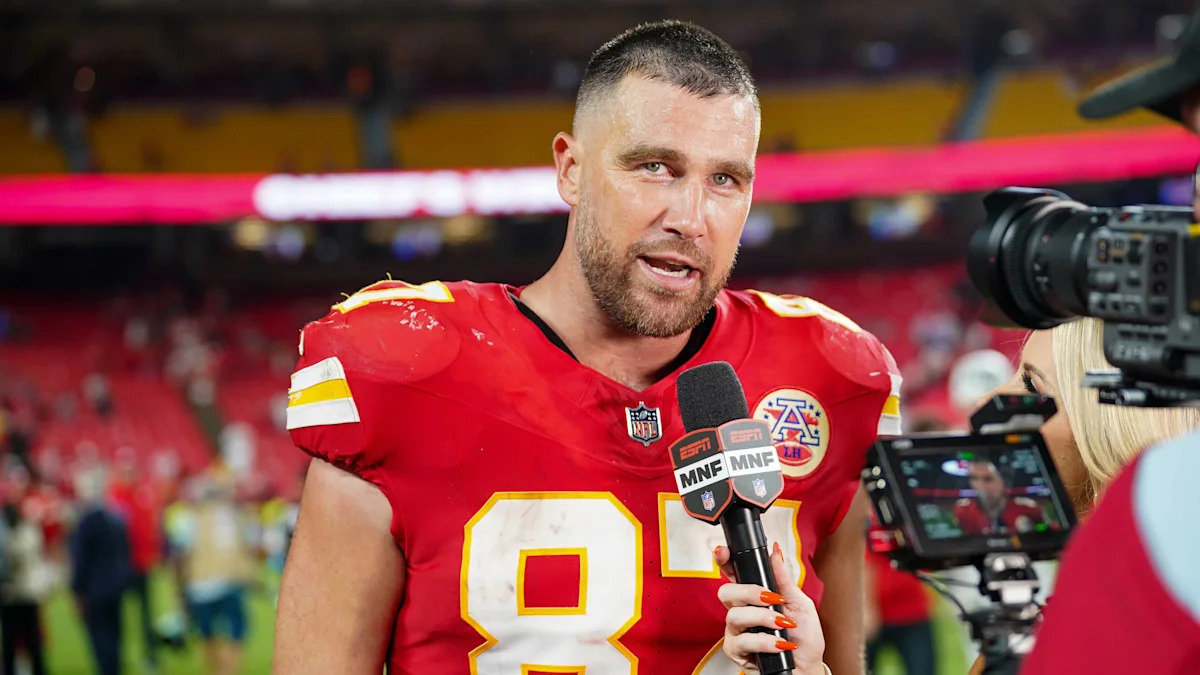
While Kansas City struggled to generate offense, Kelce reached a significant career milestone.
During the game against Seattle, the Chiefs tight end moved into fifth place on the NFL’s all-time receptions list, passing former Indianapolis Colts star Marvin Harrison with his 1,103rd career reception.
The achievement deserves recognition regardless of the scoreboard.
Kelce has spent years becoming one of the most productive and influential tight ends in football. His connection with Mahomes helped power Kansas City through multiple championship runs, creating one of the defining quarterback-receiver partnerships of the modern NFL.
Yet his milestone arrived on a night when the Chiefs desperately needed more offensive production.
Kelce finished with four receptions for 44 yards, and the offense never found the end zone. His individual achievement could not rescue the team from Seattle’s defensive pressure, but it offered a reminder of the experience and history still present in Kansas City’s locker room.
For Mahomes, Kelce’s continued presence remains valuable. The quarterback needs reliable targets who understand his tendencies, recognize defensive adjustments, and can be trusted in high-pressure situations.
The milestone was not a solution to Kansas City’s offensive problems. It was a reminder of what the team has built—and what it must rediscover.
WHY SEATTLE’S DEFENSE CREATED SO MANY PROBLEMS
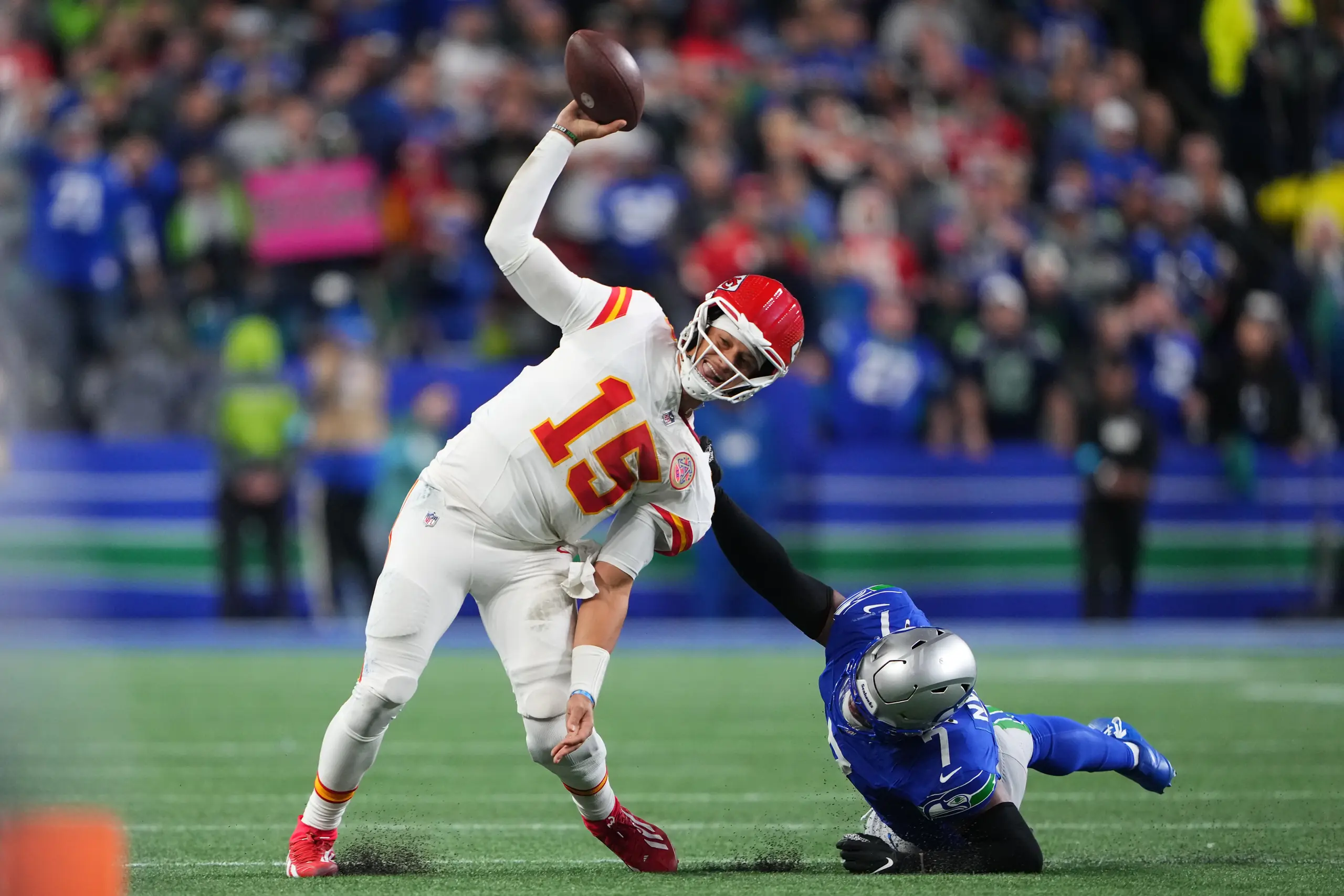
The Seahawks did not defeat Kansas City through one spectacular play. They controlled the game across multiple phases.
Seattle limited Mahomes’ passing opportunities, disrupted the Chiefs’ rhythm, and prevented the offense from producing the explosive plays that have defined its success.
The defense also contained Kenneth Walker III, who returned to Seattle after leaving the Seahawks in the offseason. Walker, who had been averaging 133 rushing yards per game, managed just 36 yards on 14 carries against his former team.
That failure to establish the running game made Kansas City increasingly dependent on Mahomes finding answers through the air.
Seattle also dominated third-down situations, keeping the Chiefs off the field and limiting their opportunities to build momentum. Meanwhile, Jaxon Smith-Njigba caught nine passes for 150 yards and a touchdown, helping the Seahawks control possession and dictate the pace.
The result was more than a routine defeat. It was a performance that forced Kansas City to reconsider how it could respond when its usual offensive weapons were taken away.
THE DENVER BRONCOS NOW PRESENT AN IMMEDIATE TEST
The Chiefs do not have the luxury of dwelling on Seattle for long.
Their next game is a divisional showdown against the Denver Broncos on November 1. That matchup provides Mahomes with an opportunity to demonstrate that the Seahawks game was an isolated failure rather than the beginning of a larger problem.
The response will require more than an emotional speech.
Kansas City must improve its execution on third down, protect the football, establish a more effective running game, and convert promising drives into points. Mahomes will need to make quicker decisions when defenses limit his preferred passing options.
Head coach Andy Reid also accepted responsibility for the team’s performance, emphasizing that all three phases had struggled. That acknowledgment places the focus where it belongs: on collective improvement rather than blaming one player.
A strong performance against Denver would not erase the Seattle defeat, but it could restore confidence and prevent one difficult night from becoming a lasting concern.
ONE LOSS DOES NOT DEFINE A CHAMPIONSHIP TEAM
The Chiefs remain a dangerous team, and a 5–1 record after six games is hardly a reason to abandon championship expectations. But the Seahawks exposed questions that Kansas City must answer before the postseason arrives.
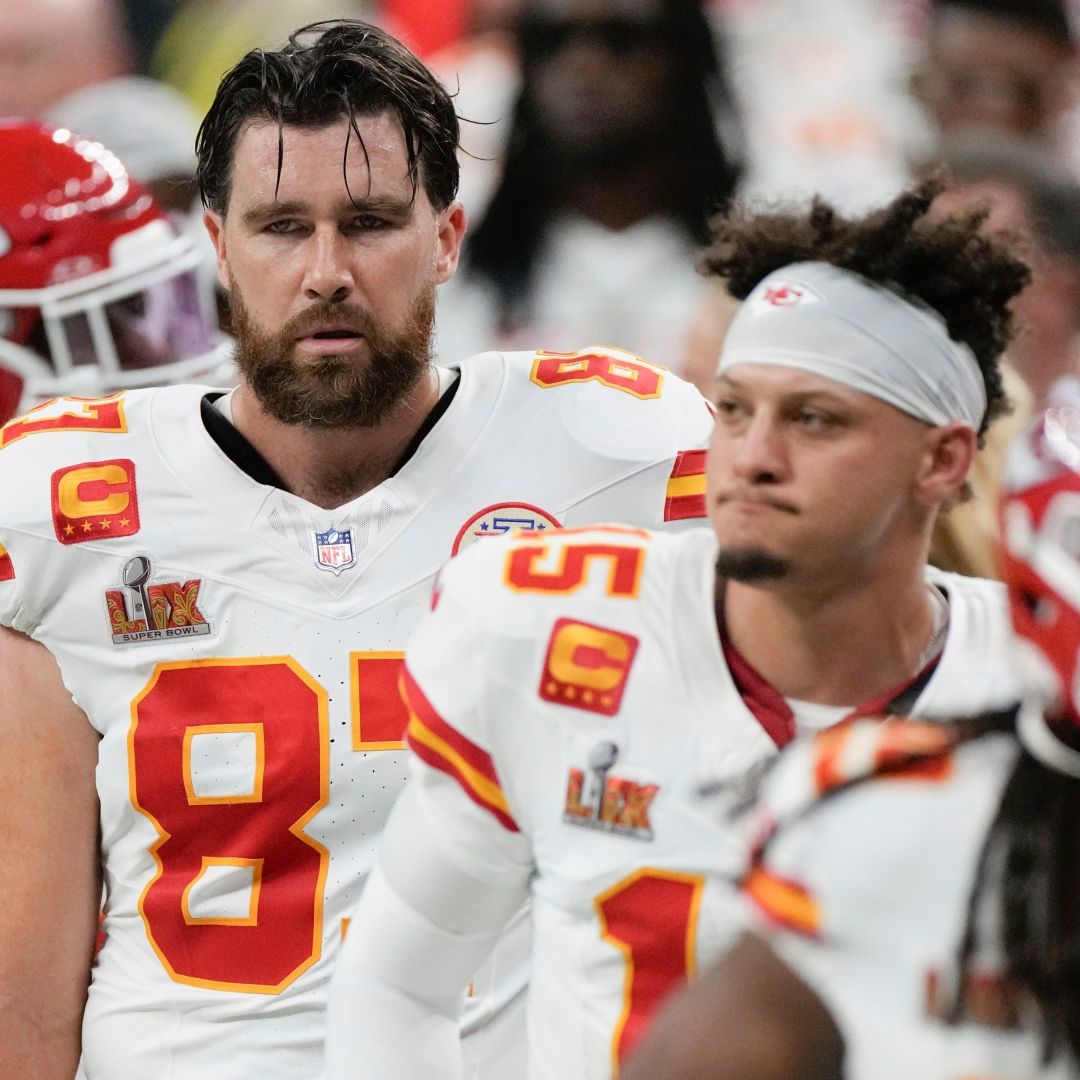
Kelce’s milestone offers a moment to celebrate, while Mahomes’ challenge is to transform frustration into better football. Their next performance will reveal more about the team’s resilience than any postgame statement could.
Can Kansas City correct its mistakes quickly enough to remain among the NFL’s elite? Or will opponents now believe that Seattle has provided the blueprint for slowing down Mahomes and disrupting the Chiefs’ championship ambitions?
Chiefs Kingdom, was the Seahawks loss merely a necessary wake-up call—or did Seattle expose a problem that could ultimately derail Kansas City’s Super Bowl hopes?