Emmitt Smith has seen both sides of the Dallas Cowboys.
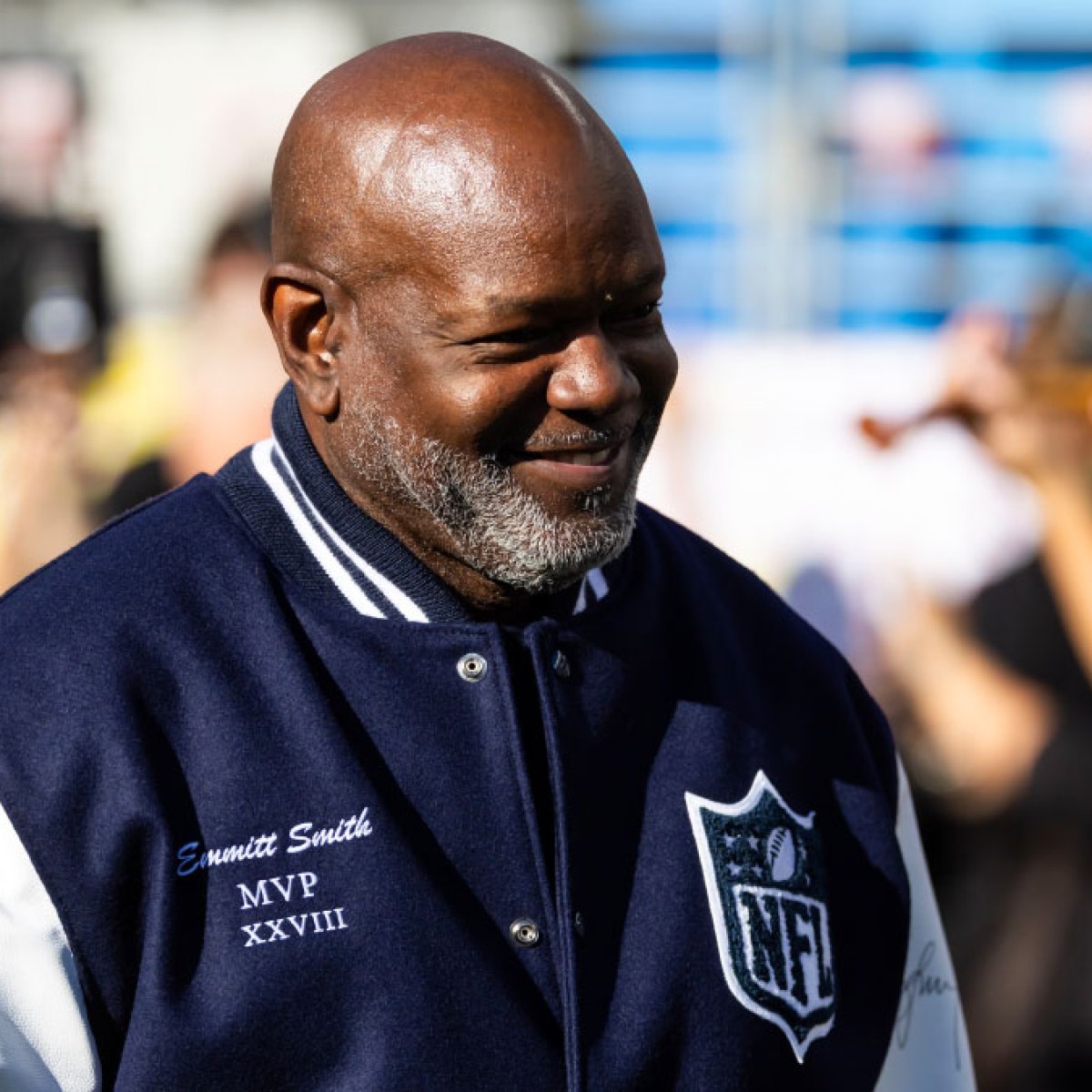
He knows what it looks like when the Cowboys are the center of the football world for the right reasons.
He also knows what it looks like when the star, the brand, the headlines and the expectations become bigger than what happens on the field.
And that’s why his message to Dallas has continued to resonate.
Being the Cowboys isn’t enough.
The brand doesn’t win games.
The money doesn’t win playoff games.
The history doesn’t win the next Super Bowl.
Leadership does.
SMITH HAS BEEN SAYING THIS FOR YEARS
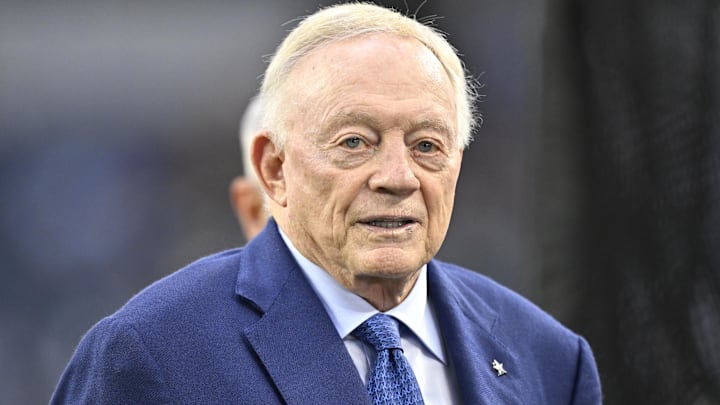
This isn’t the first time Smith has challenged the organization.
In 2025, he criticized Dallas for repeatedly falling short of the championship standard, saying he was tired of hearing what the Cowboys could be rather than focusing on what they actually were.
He also argued that Dallas had spent too much time living off its past instead of establishing a new legacy.
That’s a brutal message from one of the most accomplished players in franchise history.
Because Smith isn’t speaking from the perspective of someone who never experienced success.
He was part of the team that actually delivered it.
“WE DON’T NEED ALL THAT DRAMA”
Smith reinforced that philosophy again in 2026.
When discussing the Cowboys’ quieter offseason, he said the lack of drama was a positive because it meant the focus could remain where it belonged — on the field.
He specifically said the organization didn’t need unnecessary drama and needed to rise above it.
That sounds simple.
But for Dallas, it might be one of the hardest lessons to follow.
The Cowboys are one of the NFL’s biggest brands.
Every contract negotiation becomes national news.
Every roster decision becomes a debate.
Every training-camp quote gets dissected.
Every loss becomes a referendum on the franchise.
Smith’s point is that none of that matters once the ball is snapped.
THE COWBOYS HAVE NEVER HAD A PROBLEM GETTING ATTENTION
That’s the uncomfortable part.
Dallas doesn’t need help becoming relevant.
The Cowboys already generate enormous television audiences, merchandise sales, sponsorship attention and national discussion.
But relevance and championship success are not the same thing.
Dallas hasn’t appeared in a Super Bowl since the 1995 season.
The franchise hasn’t advanced beyond the divisional round during that entire span.
That is the gap Smith keeps talking about.
The Cowboys have remained one of America’s most recognizable sports franchises.
But the championship results haven’t matched the size of the brand.
MONEY CAN BUILD A ROSTER — BUT IT CAN’T BUILD A CULTURE
This is where the leadership argument becomes important.
Money can help acquire talent.
It can retain star players.
It can provide world-class facilities.
It can create opportunities.
But money alone doesn’t determine whether players communicate correctly on Sunday.
It doesn’t determine whether a team responds after adversity.
It doesn’t determine whether coaches make the right adjustments.
And it certainly doesn’t guarantee a Lombardi Trophy.
Those things depend on preparation, accountability, coaching and leadership.
That’s what Smith’s Cowboys experience represents.
DALLAS’ CURRENT CHALLENGE IS PROVING IT
The 2026 Cowboys entered the season with enormous expectations.
Dak Prescott publicly embraced the idea that winning a Super Bowl is the remaining goal of his career. NFL.com reported that Prescott described the Cowboys’ mindset as essentially “Super Bowl or bust.”
But expectations are only the beginning.
Dallas opened the season with a loss to the Giants.
Suddenly, the questions returned.
Was the defense actually fixed?
Could the offense carry the team?
Would the Cowboys respond to adversity?
And could the organization finally turn another season of expectations into something tangible?
Those questions cannot be answered by marketing.
They have to be answered on the field.
THIS IS WHERE EMMITT’S MESSAGE HITS HARDEST
Smith’s career was built around production.
He wasn’t remembered simply because he played for the Cowboys.
He became one of the defining players in franchise history because he produced when Dallas needed him.
That’s the standard he keeps pointing toward.
Don’t tell people you’re great.
Show them.
Don’t talk endlessly about the Cowboys’ history.
Build the next chapter.
Don’t create unnecessary drama.
Focus on football.
And don’t confuse being valuable as a business with being successful as a football team.
THE BRAND CAN OPEN THE DOOR
The Cowboys’ enormous brand gives the organization advantages.
But those advantages only matter if the football operation uses them correctly.
The franchise can attract elite talent.
It can create resources.
It can generate attention.
It can put players on enormous stages.
But once the postseason begins, none of those things can substitute for execution.
That’s the lesson Smith’s comments keep pointing toward.
Leadership has to turn resources into results.
AND THAT’S WHY HIS WORDS STILL MATTER
Smith isn’t simply criticizing the Cowboys because he’s a former player.
He’s speaking as someone who knows what championship expectations feel like.
He knows the difference between being famous and being successful.
He knows that a team can dominate headlines without dominating football games.
And he knows that a championship organization requires more than talent.
It requires standards.
It requires accountability.
It requires people willing to demand more from themselves when the spotlight becomes uncomfortable.
THE MESSAGE TO DALLAS
The Cowboys don’t need to become less ambitious.
They need to make sure their ambition is translated into action.
The marketing can continue.
The stadium can remain spectacular.
The jerseys will keep selling.
The headlines will keep coming.
But none of it changes the ultimate scoreboard.
For nearly three decades, Dallas has been trying to recreate the feeling of its championship era.
Smith’s message suggests something different:
Stop trying to recreate the past. Build something worthy of the future.
That’s leadership.
That’s accountability.
And ultimately, that’s what Cowboys fans have been waiting to see.
Do you agree with Emmitt Smith’s message — that Dallas needs more leadership and less attention on the brand?