The Truth Behind the Latest Caitlin Clark and Connor McCaffery Headlines Sending WNBA Fans into a Frenzy
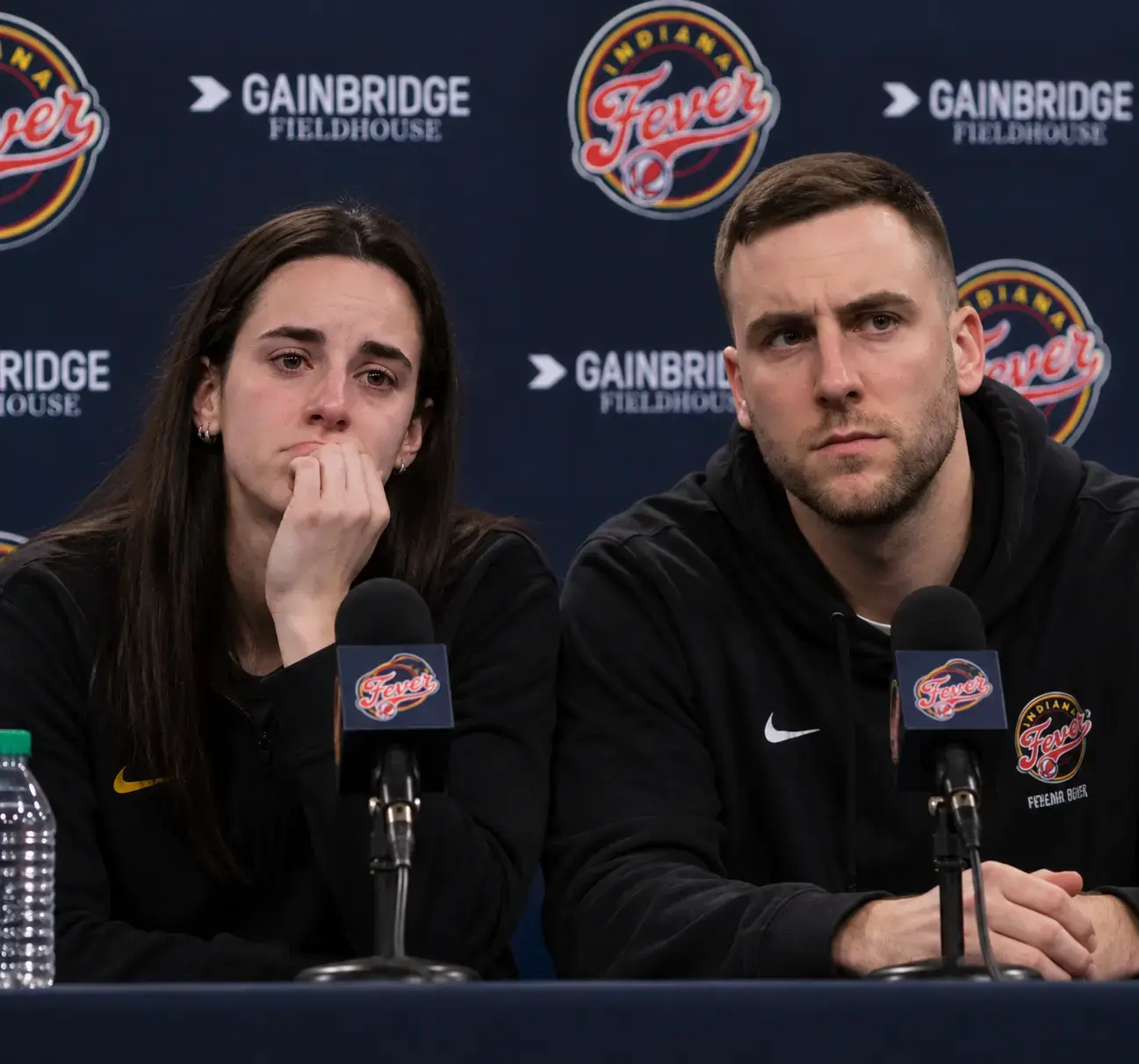
If you have scrolled through social media over the past few hours, chances are high that your feed was interrupted by an alarming, high-intensity headline: “💔🚨 30 MINUTES AGO: WNBA SUPERSTAR CAITLIN CLARK AND HER BOYFRIEND CONNOR MCCAFFERY AT THE CENTER OF AN EMOTIONAL NEW DEVELOPMENT — BASKETBALL FANS ARE COMPLETELY STUNNED… 😳❤️🏀 WATCH FULL:”
With dramatic heartbreak emojis, urgent countdown-style wording, and mysterious call-to-action links, posts of this nature have been rapidly circulating across major digital platforms including Facebook, X (formerly Twitter), and TikTok. For devoted basketball fans and casual sports followers alike, such sudden and emotionally charged declarations naturally trigger immediate concern. However, before letting panic set in, it is crucial to break down what is actually happening behind the screens.
Deconstructing the Clickbait Phenomenon
The phrase structure in this trending headline is a textbook example of modern clickbait engineering. Content aggregators and sensationalist channels frequently employ specific tactics designed to hijack human psychology and force an immediate emotional reaction:
- Artificial Urgency: Phrases like “30 MINUTES AGO” or “JUST IN” create a psychological sense of FOMO (Fear Of Missing Out) and compel users to click before verifying the source.
- Emoji Overload: Combining heartbreak symbols (💔), alarm sirens (🚨), and shocked faces (😳) subtly signals bad news, relationship drama, or a personal crisis, even when no such event has taken place.
- Vague High-Stakes Wording: Using terms like “EMOTIONAL NEW DEVELOPMENT” or “COMPLETELY STUNNED” leaves room for wild speculation—ranging from injuries and professional transfers to personal breakups—without making a concrete claim that could easily be disproven at first glance.
- The Suspicious Destination: Prompts like “WATCH FULL:” typically direct users to ad-laden YouTube videos, monetized blogs, or phishing landing pages that offer no actual breaking news, relying entirely on ad impressions generated by curious visitors.
Where Caitlin Clark and Connor McCaffery Actually Stand
Contrary to the sensational online rumors, there is no verified report, official statement, or legitimate evidence indicating any negative or distressing event in the lives of Caitlin Clark or Connor McCaffery.
Caitlin Clark, who transitioned seamlessly from a record-breaking collegiate career with the Iowa Hawkeyes to becoming one of the most transformative figures in WNBA history as the star guard for the Indiana Fever, has consistently kept her focus on her court performance and major professional milestones. Meanwhile, Connor McCaffery—a former Iowa basketball player himself who went on to join the Indiana Pacers organization as a team assistant before transitioning into college basketball coaching—has been a constant pillar of support throughout Clark’s whirlwind rise to fame.
The couple, who publicly confirmed their relationship in mid-2023, frequently share supportive posts celebrating each other’s achievements. McCaffery is often seen courtside during Fever games, providing quiet encouragement amid the relentless media circus surrounding Clark’s career. Nothing in their public activity or official channels suggests any rift, major personal emergency, or shocking news.
Why Caitlin Clark Is a Frequent Target for Viral Scams
As one of the most recognizable athletes in modern sports, Caitlin Clark draws unprecedented viewership, sponsorship interest, and social media engagement. Unfortunately, massive public visibility makes high-profile figures prime targets for digital engagement farming.
Page managers and content creators recognize that attaching Clark’s name to a headline virtually guarantees thousands of clicks, shares, and comments within minutes. By pairing her name with her romantic partner, content farms double their reach, appealing not only to sports enthusiasts but also to general pop-culture audiences who follow celebrity relationships.
In many cases, the videos attached to these headlines consist of AI-generated voiceovers repeating old news, generic photo slideshows, or completely unrelated commentary regarding Clark’s basketball stats or upcoming schedule.
How Fans Can Protect Themselves from Online Hoaxes
In an era dominated by hyper-speed digital algorithms, navigating sports news requires a critical eye. When encountering viral, high-drama posts about athletes, fans should consider the following best practices:
- Check Recognized Outlets: Legitimate sports news regarding injuries, roster changes, or major lifestyle updates will immediately be covered by reputable organizations such as ESPN, The Associated Press, or official team representatives.
- Verify Official Social Accounts: Breaking personal news is usually shared directly through verified personal profiles on Instagram or X, or via official team press releases.
- Avoid Unverified Video Links: Refrain from clicking truncated or suspicious links attached to dramatic headlines, as they can expose devices to aggressive tracking cookies, deceptive ads, or security vulnerabilities.
While the internet thrives on hyperbole and rapid-fire speculation, the emotional headlines surrounding Caitlin Clark and Connor McCaffery appear to be nothing more than another classic instance of viral clickbait. Fans can rest easy knowing that behind the noise, Clark remains focused on shaping the future of women’s basketball.