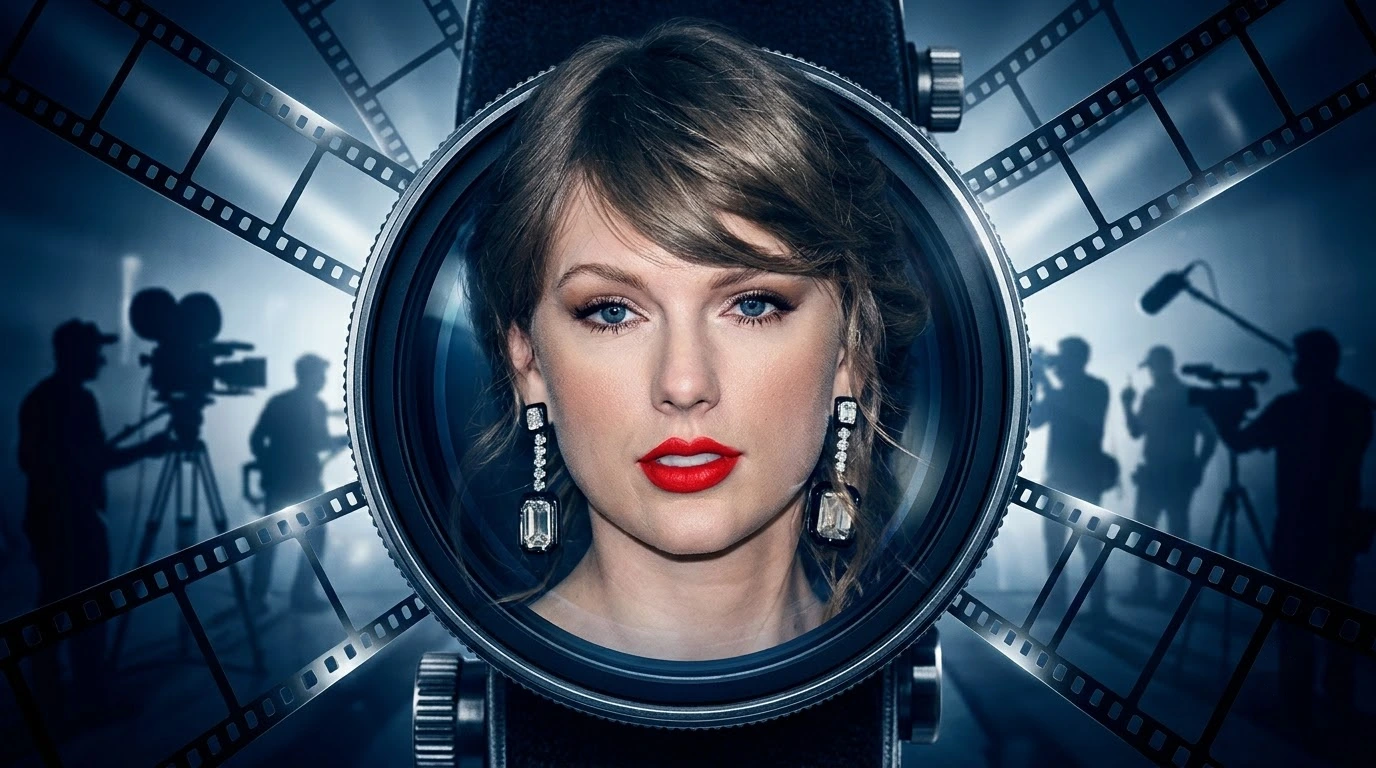
The credits for Taylor Swift’s “Patient Zero” video read like an invitation to watch closely. Swift directed the film, Dakota Johnson and Colin Farrell star, and cinematographer Emmanuel Lubezki helped create its images. Those roles were identified in CBS and MTV’s September announcement. The video premiered at the September 27 VMAs, giving the song a highly visible introduction through a narrative film.
For readers whose first encounter with the project was a headline about Travis Kelce visiting the set, the credits supply a wider picture. A backstage interaction is one part of the public conversation. The finished production is also an opportunity to see recognizable screen performers working inside a pop song’s visual world.
Familiar faces can change how a video is watched
When an established actor appears in a music video, viewers often bring expectations from earlier roles. That recognition can draw attention quickly, but it also creates a creative challenge. The performance needs to belong to the film in front of the audience, rather than function only as a reminder of another movie.
The useful question is therefore not simply who appears. It is what the appearance does. Does a character change the atmosphere of a scene? Does a look or gesture communicate information that the song leaves open? Does the camera encourage trust, uncertainty or distance? Those questions make the casting worth discussing beyond the initial surprise.
A music video has limited time to establish characters. Recognizable performers can help, but the film still needs clear choices about behavior and relationships. That compressed form is part of the appeal: a small action can carry more weight because there is no long dialogue scene to explain it afterward.

Cinematography is part of the storytelling
Lubezki’s involvement is another reason to examine the image itself. Universal Music Japan’s release update names him among the video’s collaborators and notes his Academy Award-winning work. That is a production credit, not a guarantee of how every viewer will respond. It does, however, make the visual craft a reasonable place to focus attention.
Light, camera movement and framing influence how a scene feels before the audience has consciously interpreted it. A camera that stays close to a character creates a different relationship from one that observes at a distance. A smooth movement can reveal information gradually, while a sudden cut can make the same information feel disruptive.
Viewers do not need to identify the equipment or technique to notice the effect. They can simply ask what the image makes them anticipate. That is often a more revealing way to watch than pausing only for recognizable clothing, a famous face or a possible hidden reference.
A song’s narrator is not automatically its author
The appearance of a famous couple around a release can encourage listeners to treat every fictional relationship as a direct account of the artist’s life. That reading is tempting because it supplies a ready-made cast. It also narrows the work before the audience has considered other possibilities.
A narrator, a performed character and the person writing a song can overlap without being identical. Music videos add another layer: the film may amplify a theme, change the perspective or build a separate story around the sound. The presence of actors is a useful reminder that viewers are watching a constructed work.
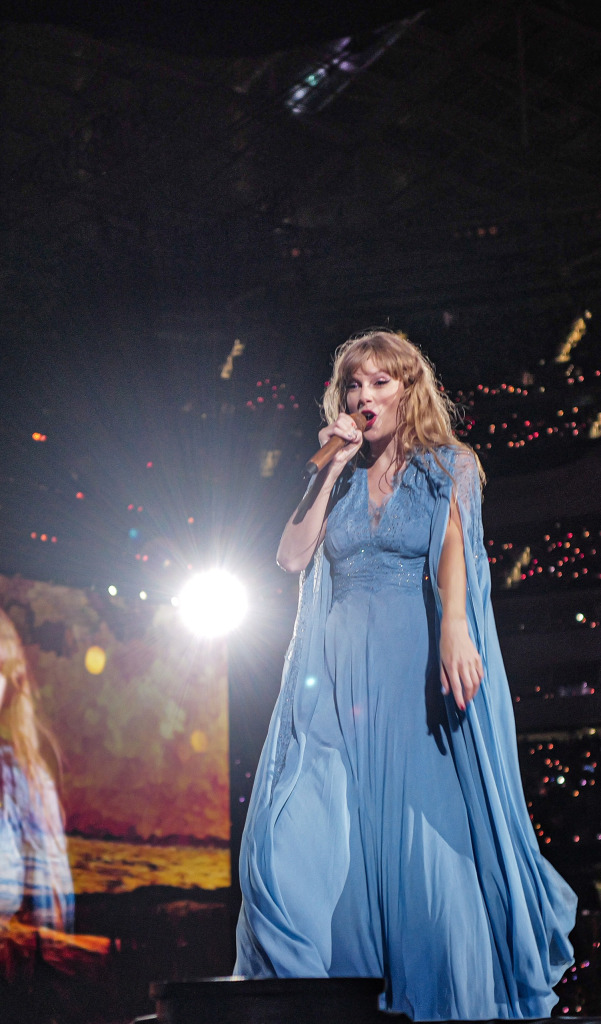
That leaves plenty of room for interpretation. It simply keeps an interpretation from becoming an unsupported claim about a real person’s private behavior. The most interesting discussion begins with what the film actually presents, then explains how the viewer arrived at a reading.
One practical viewing exercise is to separate recognition from performance. On the first pass, a familiar actor’s entrance may be the most noticeable thing. On another pass, watch the smaller choices: the direction of a glance, the distance between characters or the moment someone turns away. Those details can tell a story without a spoken explanation.
Then consider how the edit treats them. A gesture that barely registers in a wide shot can become central in a close-up. That is why casting, acting and camera placement should be discussed together. The film’s meaning does not come from the celebrity’s presence alone; it emerges from the way the production chooses to present and connect the performances.
How to watch the complete video with fresh eyes
On a first viewing, follow the sequence without stopping. On a second, pay attention to how the camera introduces the performers and what changes when they share a frame. Then notice which details remain memorable after the song ends. Those are likely the choices doing the most narrative work for you.
Behind-the-scenes footage can add another perspective afterward. It reveals the practical environment around a carefully controlled image, but it does not replace the finished film. The contrast between the two is useful: one shows a fictional world, while the other shows a group of people making it.
“Patient Zero” has several easy entry points—Swift, its actors, its crew and the public interest around Kelce. The stronger reason to stay is the film itself. The cast may attract the first click, but the relationship between performance, music and image is what gives viewers something to discuss once the familiar faces have stopped being a surprise.
Photo credits: 191125 Taylor Swift at the 2019 American Music Awards (cropped).png — Cosmopolitan UK, CC BY 3.0; photographed 2019-11-24. Taylor Swift at the 2023 MTV Video Music Awards 4.png — iHeartRadioCA, CC BY 3.0; photographed 2023-09-13. Taylor Swift Eras 08092023-589.jpg — Paolo V, CC BY 2.0; photographed 2023-08-09. Archival photographs illustrate the people and settings discussed; they do not depict every reported event.
.png)

